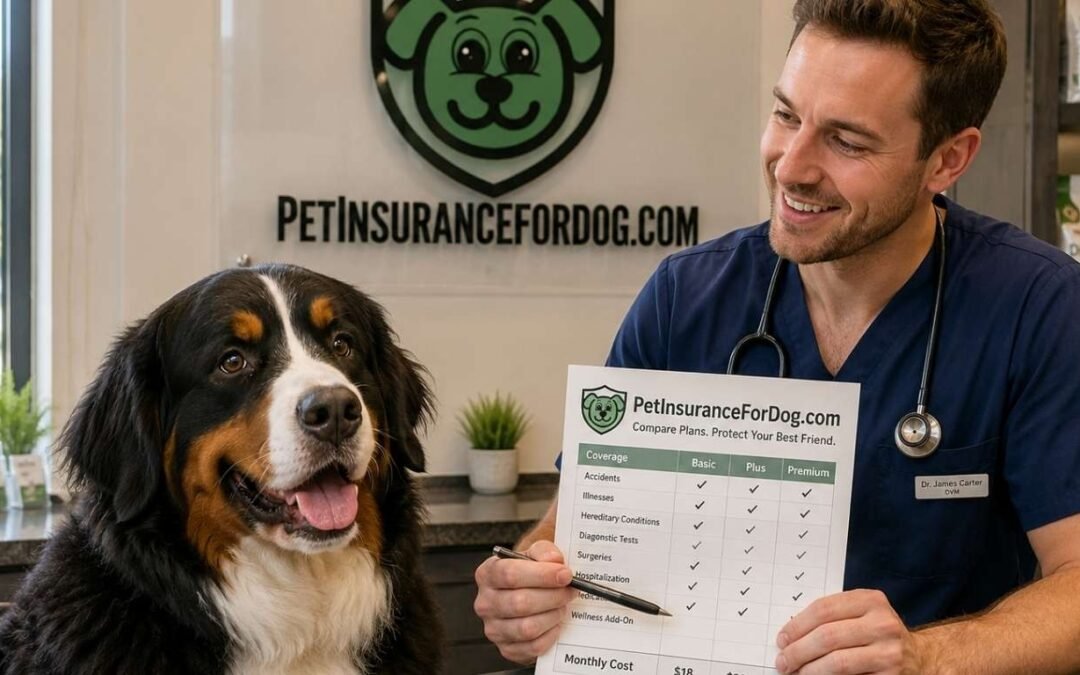
When shopping for pet insurance, most dog owners focus on premiums and basic coverage. But there’s a powerful and often overlooked feature that can dramatically improve your policy’s value: the add-on. Just like in human health insurance or auto plans, dog insurance add-ons allow you to tailor your policy to meet your dog’s specific lifestyle, health risks, and your financial goals.
In this guide, we’ll break down what add-ons are, when they make sense, how they affect underwriting and claims, and what types of add-ons offer real-world value for U.S. dog owners.
What Is an Add-On in Dog Insurance?
An add-on (sometimes called a rider or optional benefit) is an additional layer of insurance coverage that you can purchase on top of your base policy. It’s not included by default—you must opt in and usually pay an extra monthly fee.
Add-ons provide more than just extra perks—they’re often the key to customizing a policy that fits your dog’s health needs. While base policies typically cover accidents and illnesses, add-ons can open the door to wellness care, dental cleanings, behavioral therapy, and even alternative treatments.
Why Add-Ons Matter in Real Life
Every dog is different. Some are young and healthy but prone to injuries from rough play. Others are older with early signs of joint disease. A one-size-fits-all insurance policy might cover emergency surgery—but leave out the therapies and screenings your dog actually needs.
Add-ons give dog owners more control. Instead of paying for comprehensive coverage you don’t need or settling for a basic plan that’s too limited, you can build a hybrid policy that reflects your dog’s real risk profile and your budget.
Popular Types of Dog Insurance Add-Ons
Here are the most common and useful add-ons offered in the pet insurance space:
- Wellness and Preventive Care – Covers routine exams, vaccinations, parasite prevention, and spaying/neutering. Ideal for puppies or owners who want to stay ahead of health issues.
- Dental Coverage – May include cleanings, extractions, or treatment for periodontal disease. Crucial for small breeds or dogs with oral health issues.
- Alternative Therapies – Includes acupuncture, chiropractic care, laser therapy, and hydrotherapy. Useful for dogs recovering from surgery or managing chronic pain.
- Behavioral Therapy – Covers training or vet-prescribed treatments for aggression, anxiety, or compulsive behaviors. Especially relevant for rescues or working dogs.
- Prescription Food and Supplements – Helps offset the cost of vet-recommended diets for allergies, weight management, or chronic conditions.
- End-of-Life Care and Euthanasia – Assists with humane decisions and costs during a pet’s final stage of life.
How Add-Ons Affect Premiums and Policy Value
Each add-on typically adds a modest amount to your monthly premium—often between $5 and $25, depending on the coverage. But the long-term value can far outweigh the cost, especially if:
- Your dog is a high-risk breed for certain conditions
- You plan to use services regularly (e.g., dental cleanings or wellness visits)
- You want to avoid large, out-of-pocket surprises
For example, one annual dental cleaning without insurance might cost $400–$800. A dental add-on that costs $10/month could fully or partially reimburse that expense—and protect against more serious dental disease later.
Case Study: Using Add-Ons to Match Lifestyle
Consider a 3-year-old Australian Shepherd who competes in agility trials. The base accident and illness policy covers injuries, but the owner adds:
- Alternative therapies for sports recovery
- Wellness care to stay competition-ready
- Behavioral therapy in case anxiety affects performance
This custom policy ensures comprehensive support for the dog’s active lifestyle—something a standard plan wouldn’t provide alone.
When Add-Ons Don’t Make Sense
Not every add-on is necessary for every dog. Before adding extra coverage, ask yourself:
- Will I realistically use this benefit every year?
- Is the reimbursement limit high enough to justify the premium increase?
- Can I self-insure this aspect of care with savings instead?
If you rarely go for routine checkups or already have a dental plan through your vet, a wellness or dental add-on might not add value. Similarly, prescription food coverage may not help if your dog eats a standard diet and has no allergies.
Impact on Claims and Underwriting
Add-ons can also influence your experience with claims and underwriting:
- Underwriting may vary – Some add-ons are guaranteed issue, while others (like behavioral coverage) may require a vet diagnosis or history review.
- Claims require documentation – Keep receipts, treatment plans, and vet recommendations. Add-on claims are scrutinized more closely to prevent misuse.
- Waiting periods still apply – Most add-ons have separate waiting periods (e.g., 14 days for wellness, 6 months for dental).
It’s important to review each add-on’s terms carefully, including any caps, reimbursement rates, or exclusions. This ensures you get what you expect when the time comes to file a claim.
Choosing Add-Ons Based on Your Dog’s Life Stage
One smart way to evaluate add-ons is by considering your dog’s age and life stage:
- Puppy (0–1 year): Consider wellness, spay/neuter, vaccinations, and behavioral training.
- Adult (2–6 years): Focus on accident/illness coverage; add dental and alternative care if lifestyle requires it.
- Senior (7+ years): Prioritize chronic condition management, end-of-life care, and possibly prescription food coverage.
Since add-ons can usually be added or dropped at renewal, you have the flexibility to adapt as your dog’s needs evolve over time.
Maximizing ROI: Combine Add-Ons Strategically
Combining two or three targeted add-ons can offer better ROI than upgrading to a top-tier comprehensive plan. For instance, instead of jumping to a $100/month plan that includes everything, a $40 base plan + $15 dental + $10 wellness may offer better value if those are your primary concerns.
Some insurers offer bundled add-on packages at discounted rates, so don’t hesitate to ask about customizable options.
Add-Ons Turn Basic Policies Into Smart Investments
In the world of dog insurance, the base plan is only the beginning. Add-ons are the tools that let you build a truly customized solution—whether your dog is a couch companion or a high-energy athlete. They’re especially valuable for:
- Owners managing breed-specific risks
- Households budgeting for total lifetime care
- Pet parents seeking greater peace of mind
By evaluating your dog’s needs and adding the right layers of protection, you can turn a basic policy into a smart, cost-effective safety net that evolves with your pet over time.

Pet Insurance for Dogs – Add-Ons Customize
FAQ About Dog Insurance Add-Ons
1. What exactly do dog insurance add-ons cover, and how do they differ from basic policies?
Dog insurance add-ons expand the scope of coverage beyond the core accident-and-illness benefits found in standard plans. While a base policy is designed to help with emergencies, injuries, and unexpected illnesses, add-ons target specific health needs or lifestyle factors. These may include routine preventive care, dental cleanings, physical therapy, nutrition support, or behavioral training. In many cases, add-ons play a preventive role by funding services that help avoid bigger medical issues down the road, such as annual exams to detect early disease or physical rehabilitation to prevent mobility decline.
The difference lies in flexibility and personalization. Instead of one generalized policy, add-ons allow dog owners to tailor coverage based on breed tendencies, activity level, age, and even personal preferences for holistic medicine or advanced nutrition. This means you don’t pay for coverage you don’t need, and you gain access to targeted benefits you wouldn’t get otherwise. For dogs with active lifestyles, chronic health concerns, or high-maintenance needs, add-ons transform a basic policy into a truly responsive healthcare plan.
2. How can I tell which add-ons are worth paying for?
The best way to determine value is to assess your dog’s medical history, breed risks, and lifestyle habits. An active sporting dog may benefit from rehabilitation and wellness add-ons, while a senior dog might need chronic care and prescription diet support. Consider frequency of use—if you expect to need dental cleanings every year or frequent behavioral consultations, an add-on can easily pay for itself. It’s also helpful to compare annual cost versus the maximum reimbursement. If the benefit cap is low or your dog rarely needs that service, self-funding that expense might be smarter.
Finally, think long-term. Some add-ons are preventive in nature, helping you catch problems early and reduce future expenses. Wellness or dental coverage may not feel urgent today, but they can significantly protect your dog’s health over time. A thoughtful review with your vet can also provide guidance based on your dog’s current and anticipated needs, ensuring your policy supports both present care and future peace of mind.
3. How do add-ons affect the claims process?
Add-ons typically require detailed documentation, so organization plays a big role in successful claims. Unlike emergency care claims, which are often straightforward, wellness or therapy-related claims may ask for invoices, proof of medical necessity, or written recommendations from your veterinarian. Because these benefits are used more frequently, insurers tend to review them carefully to ensure the services fall under your chosen add-ons and comply with policy terms. Keeping digital copies of receipts and treatment plans can make reimbursement quicker and easier.
Be aware that some add-ons may have their own waiting periods and reimbursement limits. For example, you might face a different waiting period for dental benefits than for accident coverage. Understanding these details before you file prevents frustration and helps you plan healthcare visits strategically. Overall, add-ons do not complicate the claims process—they simply require clearer tracking to ensure you receive the full value of the benefits.
4. Do add-ons make sense for puppies and senior dogs?
Absolutely—both life stages can gain meaningful benefits from targeted add-ons, though the needs differ. Puppies often require frequent vet visits, vaccinations, parasite prevention, and behavioral training. Wellness and early dental care riders can offset many of these early life expenses. Investing early can also help establish a lifetime of healthy habits and catch any congenital or developmental issues before they escalate into chronic conditions.
Senior dogs, meanwhile, are more prone to arthritis, organ disease, and mobility challenges. Add-ons that support pain management, therapeutic treatments, and prescription diets may significantly enhance their comfort and quality of life. End-of-life care riders are also valuable for owners who wish to ensure humane, dignified support during their pet’s final chapter. Thoughtfully chosen add-ons can optimize care throughout the lifespan, adapting coverage as your pet matures and their medical needs evolve.
5. How should I evaluate add-ons if I’m already on a tight budget?
If you’re budget-conscious, start with your dog’s highest-priority needs and build selectively. Focus on add-ons that help you avoid major expenses later, such as preventive care or dental benefits, which reduce the risk of costly interventions. Calculate expected usage and compare it against premium cost. For example, if a wellness add-on costs $15 per month but reimburses $400 worth of annual preventive care you already plan to purchase, it’s likely a good investment. However, if you only need occasional services, setting aside a small monthly “health fund” might serve as an alternative to certain add-ons.
It’s also worth exploring bundled packages offered at discounted rates. Many insurers allow you to review or adjust add-ons at renewal, so you don’t need to commit forever. Start with one or two essential add-ons and expand later if your finances or your dog’s health situation change. The goal isn’t to buy everything—it’s to strategically select coverage that meaningfully enhances your pet’s wellbeing while keeping your long-term financial planning on track.