

Best Pet Insurance Companies: Compare Coverage, Costs, and Plans for Dogs
Your dog is part of your everyday life, from morning walks and weekend adventures to the quiet moments at home. When an unexpected illness or injury happens, the last thing you want is to feel unprepared for the cost of veterinary care.
Pet insurance can help make certain veterinary expenses more manageable. But finding the right policy takes more than choosing the lowest monthly premium or the plan with the longest list of benefits. Coverage limits, deductibles, exclusions, waiting periods, and reimbursement rules can all affect how much financial protection you actually receive.
Whether you're welcoming a new puppy, caring for an active adult dog, or exploring coverage for an older companion, this guide will help you understand your options. You'll learn how to compare insurers, recognize meaningful differences between policies, and decide which features matter most for your dog's needs and your household budget.
Best Pet Insurance for Dogs
Top 5 Dog Insurance Providers
How to Find the Best Pet Insurance Companies for Your Needs
There's no single insurance company that's the best choice for every dog owner. A policy that works well for a healthy young puppy may not be the most suitable option for a senior dog with a complicated medical history. Your dog's age, breed, health, and lifestyle all influence which coverage features deserve the most attention.
That's why comparing the best pet insurance companies should begin with a simple question: What would I want this policy to help pay for if my dog needed unexpected veterinary treatment?

Look beyond the monthly premium.
A low premium can be appealing, especially when you're balancing food, grooming, vaccinations, and other pet expenses. But a cheaper policy may have a higher deductible, a lower reimbursement percentage, or more restrictive coverage.
For example, imagine two policies with similar accident and illness benefits. One has a lower monthly price but reimburses 70% of eligible expenses. The other costs more each month but reimburses 90%. If your dog develops a condition requiring expensive treatment, the difference in your share of the bill could be significant.
Neither policy is automatically better. The right choice depends on what you can comfortably pay each month and how much you could afford during a veterinary emergency.
Evaluate the policy, not just the marketing.
As you review providers, pay attention to the details that determine how coverage works:
- Eligible treatments: Does the policy include diagnostics, hospitalization, surgery, prescription medications, and specialist care?
- Reimbursement rules: What percentage of eligible expenses can be reimbursed after the applicable deductible?
- Coverage limits: Is there an annual payout maximum, a condition-specific limit, or another restriction?
- Exclusions: Which conditions, procedures, or circumstances are not covered?
- Claims experience: How are claims submitted, reviewed, and paid?
- Policy flexibility: Can you choose different deductible, reimbursement, or annual-limit options?
Customer service also matters. Clear policy documents, understandable explanations, and accessible support can make the insurance experience less frustrating when your dog needs care.
If you're new to the subject, our pet insurance basics guide explains common insurance terms before you begin comparing individual plans.
Choose for your dog, not for a ranking.
Online rankings can introduce you to potential providers, but they cannot account for every dog's medical history or every household's finances. Use rankings as a starting point, then examine the actual policy terms and obtain personalized quotes.

Riders in Dog Insurance: Customizing Coverage for Your Dog
Learn how riders in dog insurance help personalize your coverage. Discover wellness, dental, and therapy add-ons that offer extra protection.

Dog Insurance Policy Duration: What It Means and Why It Matters
Learn how policy duration in dog insurance affects coverage, renewals, and deductibles—and why timing matters for long-term pet protection.

Fraud Prevention in Dog Insurance: How It Protects Everyone
Learn how fraud prevention in dog insurance protects honest pet owners, controls premium costs, and ensures smoother claim processing.
What Happens If Your Dog Insurance Policy Lapses?
Discover what a dog insurance lapse means, its impact on coverage and costs, and how to avoid gaps that could put your dog’s health at risk.
2025 Best 5 Pet Insurance Companies for Dogs
Selecting the right pet insurance is a key financial move for any dog owner. In this guide, we spotlight five of the most trusted providers across the U.S., each standing out for their strengths in coverage, cost-effectiveness, and plan customization. Rather than...

The Real Meaning of Dog Insurance in Everyday Life
Discover the true meaning of dog insurance—beyond premiums and policies, it’s a commitment to care, planning, and peace of mind.
Pet Insurance for Dogs: Finding Coverage That Fits Your Companion
Pet Insurance for Dogs isn't a one-size-fits-all purchase. Dogs have different medical risks throughout their lives, and a useful policy should reflect the type of protection you're seeking rather than a generic checklist of benefits.
Coverage for puppies.
Puppies are curious, energetic, and sometimes surprisingly skilled at getting into trouble. They may swallow something they shouldn't, injure themselves while playing, or develop an unexpected illness.
Enrolling while a puppy is young and healthy may reduce the likelihood that certain conditions are already considered pre-existing. However, enrollment age alone does not guarantee eligibility for every future condition. Waiting periods and other policy rules still apply.
Routine puppy expenses, such as vaccinations, parasite prevention, and spaying or neutering, are generally separate from standard accident and illness coverage. Some insurers offer optional wellness benefits for eligible preventive services, often at an additional cost.
Coverage for adult dogs.
Adult dogs may benefit from protection against unexpected injuries and illnesses that require diagnostic testing, medication, surgery, or ongoing treatment.
Think about your dog's everyday routine. An active dog that enjoys hiking, running, or vigorous play may face different accident risks from a dog with a quieter lifestyle. Lifestyle is only one consideration, though; even dogs that rarely leave home can develop costly illnesses.
For many owners, the goal is to find a balance between predictable monthly costs and protection against bills that would otherwise be difficult to manage.
Coverage for senior dogs.
Older dogs may need more frequent veterinary attention, but obtaining a new policy later in life can present challenges. Premiums may be higher, some providers have enrollment-age restrictions, and previously documented medical problems may be excluded.
Before enrolling a senior dog, request clear information about eligible conditions, age-related restrictions, and how renewals work. A policy can still offer value for qualifying future conditions, but it's important to understand what won't be covered.
Consider breed-related health concerns.
Some breeds have recognized predispositions to particular hereditary or orthopedic conditions. That doesn't mean your dog will develop those problems, but it makes the policy's treatment of hereditary and congenital conditions worth examining.
Ask whether the insurer covers eligible breed-related conditions, whether any special waiting periods apply, and whether the policy has bilateral-condition rules that could affect future claims.
The most useful dog insurance policy is one you understand before your dog needs it. Coverage should support your financial planning without creating unrealistic expectations about what an insurer will pay.
Online Vet Consultation
Online Vet Consultation for Preventive Care
Insurance protects you financially, but your dog’s health also depends on consistent care and preventive action. That’s why we connect you with online vet consultation services that give you direct access to licensed veterinarians from the comfort of your home.
Through virtual consultations, you can:
- Ask questions about symptoms, diet, or behavior changes.
- Get professional advice on nutrition, exercise, and preventive care.
- Receive guidance on vaccinations, parasite prevention, and wellness check-ups.
- Learn how to manage chronic conditions or post-surgery recovery.
This service is especially valuable for busy pet owners, those in remote areas, or anyone who wants quick reassurance without waiting for an in-person appointment. By combining online vet consultation with the right dog insurance plan, you create a complete system of care that keeps your pet healthy while protecting your wallet.
Proactive care means fewer emergencies, lower long-term costs, and a happier, healthier dog.
TAGS: Cat Dog Insurance, Dog Insurance Quotes, Best Dog Insurance, Lemon Dog Insurance, Puppy Dog Insurance, Dog Insurance for Puppies, Canine Insurance Companies, Quote Dog Insurance, Home Insurance Dog Bite; Best Puppy Health Insurance, Buy Dog Insurance, Best Pet Insurance for American Bully, Pet Insurance Quotes Dog, Get Dog Insurance, Best Pet Insurance for Boxer Dogs, Instant Cover Dog Insurance, New Dog Insurance, Full Dog Insurance, Business Insurance for Dog Trainers, Mobile Grooming Insurance, Grooming Business Insurance, Best Dog Insurance for Multiple Dogs, Recommended Pet Insurance for Dogs, Cheapest and Best Dog Insurance. Pet Insurance Cost, How Much.

Contact an Insurance Agent
Don't hesitate to send a message for an online veterinary consultation today - it's convenient, effective, and can help keep your pet healthy and happy!

Consult an Online Vet
Experience the convenience and quality of online veterinary consultation, and give your furry friend the expert care they deserve - all from the comfort of your own home
What Does Pet Medical Insurance Actually Cover?
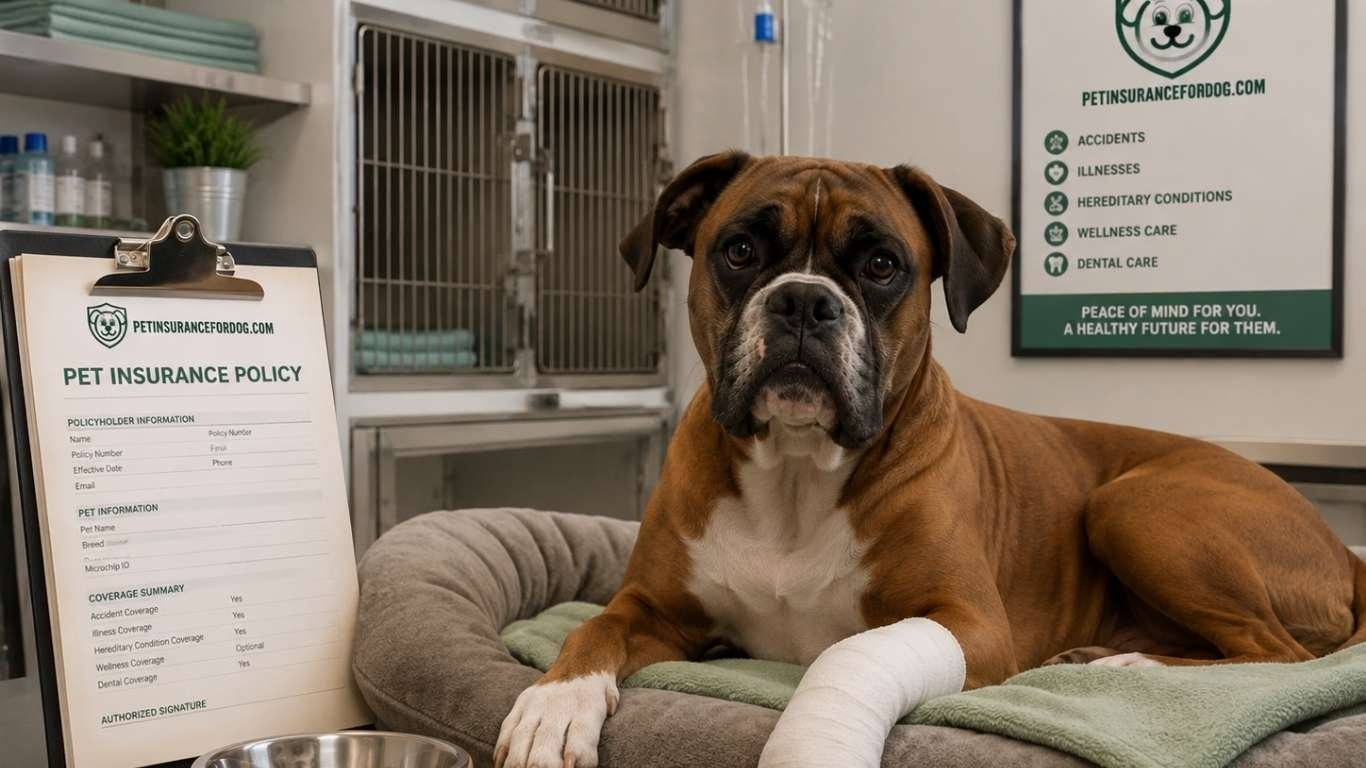
Pet medical insurance is designed to help with qualifying veterinary expenses under the terms of a policy. It isn't the same as a prepaid veterinary care plan, and it usually doesn't cover every visit to the veterinarian.
Understanding the distinction between unexpected medical treatment and routine preventive care can prevent confusion later.
Unexpected accidents and illnesses.
Depending on the policy, eligible expenses might arise from a dog needing emergency treatment after an injury, diagnostic tests for persistent vomiting, or surgery for a covered medical condition.
For instance, imagine your dog suddenly becomes lethargic and refuses food. Your veterinarian recommends an examination, blood work, and imaging. If an eligible illness is diagnosed, portions of the diagnostic and treatment expenses may qualify for reimbursement. Whether the examination fee itself is covered depends on the contract.
Chronic and long-term conditions.
Some covered illnesses require treatment over months or years. A policy may help with eligible ongoing expenses for a condition that first developed after coverage became effective, subject to limits, exclusions, and renewal provisions.
However, ongoing treatment is not automatically covered simply because a condition is chronic. The date symptoms first appeared, prior veterinary records, and the policy's definition of pre-existing conditions may all matter.
Routine and preventive care.
Standard accident and illness policies generally do not include routine services such as annual wellness examinations, vaccinations, or preventive medications unless a relevant benefit or optional wellness package applies.
Wellness add-ons can be useful for some households, but they should be evaluated separately. Compare their additional cost with the reimbursement allowances and services you realistically expect to use.
For example, paying extra for a wellness package may make less sense if its benefits are limited to services you rarely purchase. Conversely, an owner who consistently uses the eligible preventive services may find the arrangement convenient.
Dental and specialized treatment.
Dental coverage deserves particular attention. A policy might cover certain dental injuries or illnesses while excluding routine cleanings, preventive procedures, or conditions that fail to meet specific requirements.
Similarly, rehabilitation, physical therapy, behavioral treatment, and complementary therapies may be covered, limited, or excluded depending on the provider. Check the exact wording rather than assuming all veterinary recommendations qualify.
Understanding Dog Insurance Costs, Deductibles, and Reimbursement
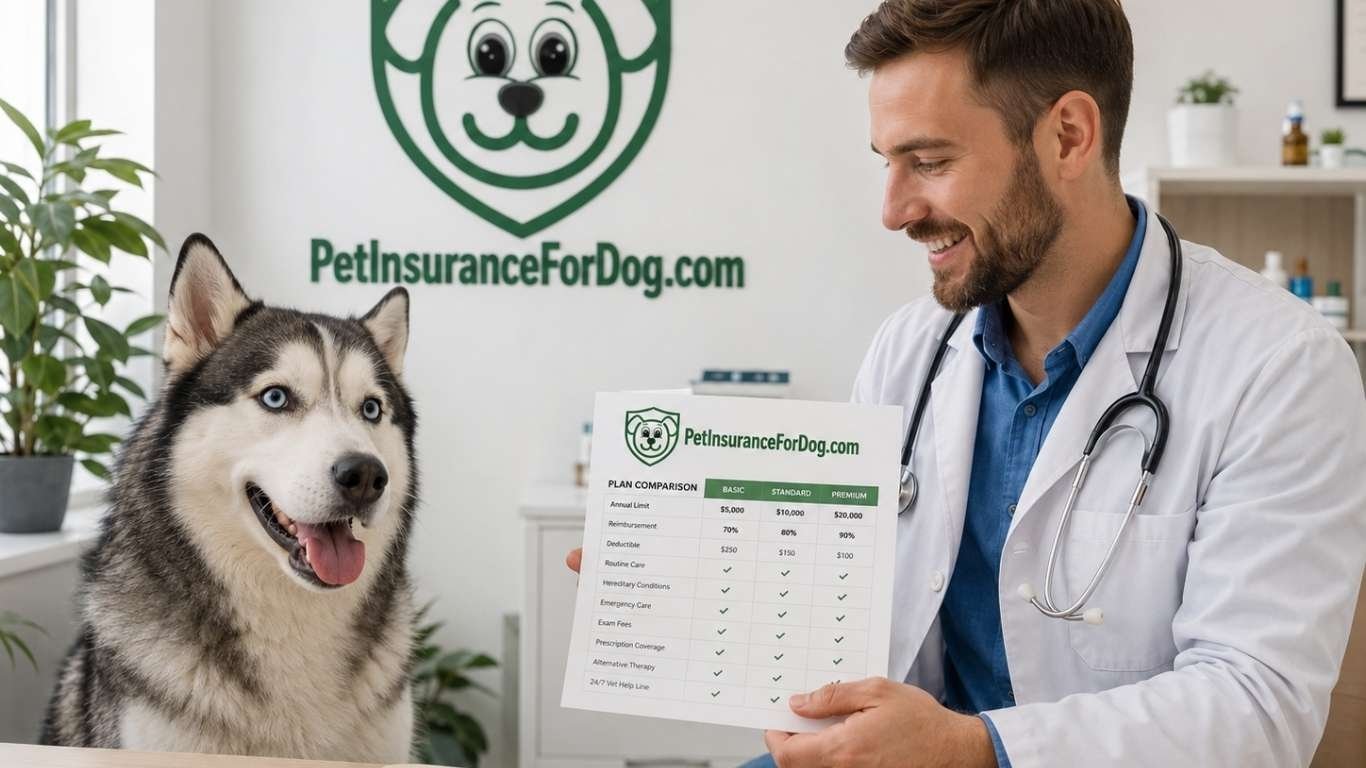
When comparing insurance prices, the monthly premium is only one part of the calculation. Your deductible, reimbursement percentage, and coverage limits determine how expenses may be shared after an eligible claim.
What affects the monthly premium?
Insurers may consider factors such as your dog's age, breed, location, selected benefits, deductible, reimbursement rate, and annual coverage limit. Pricing methods differ, and premiums can change over time.
Two owners with dogs of the same breed may receive different quotes because they live in different areas or choose different policy settings.
To explore these factors in more detail, see our dog insurance cost guide.
How deductibles work.
A deductible is the amount you must pay toward eligible expenses before the applicable reimbursement calculation takes effect. Some policies use an annual deductible, while others may use a per-condition or other structure.
With an annual deductible, qualifying expenses generally count toward one deductible during the policy period. A per-condition deductible may apply separately to different medical conditions. This distinction can affect costs if your dog needs treatment for several unrelated problems.
How reimbursement percentages work.
Many policies reimburse a stated percentage of eligible veterinary expenses after the applicable deductible. Common options may include 70%, 80%, or 90%, although availability varies.
Consider a simplified example:
- Your dog receives $3,000 in treatment that is fully eligible under the policy.
- Your annual deductible is $500 and has not yet been met.
- The remaining eligible amount is $2,500.
- At an 80% reimbursement rate, the calculated reimbursement is $2,000.
- Your share of that bill is $1,000, excluding premiums and assuming no other restrictions apply.
This is an illustration, not a payment estimate. Actual claims may involve excluded charges, different deductible calculations, payout limits, or other contract provisions.
Why annual limits matter.
An annual limit is the maximum amount a policy may pay during a coverage year, subject to its terms. A plan with a lower annual limit may have a more affordable premium, but it can provide less protection if your dog needs extensive treatment.
Some plans advertise no fixed annual payout limit. That does not mean every veterinary expense is covered or that exclusions disappear. The policy's definitions and eligibility rules still control reimbursement.
When choosing a limit, consider the financial impact of an unusually expensive veterinary year rather than only the cost of a routine appointment.
How to Find Affordable Pet Insurance Without Choosing Coverage Blindly
Affordable pet insurance should fit your budget while providing meaningful protection for the situations that concern you most. The goal isn't necessarily to find the cheapest pet insurance for dogs. It's to understand what you're giving up, or gaining, at each price point.
Request comparable quotes.
When you compare pet insurance quotes, use the same dog details and similar coverage settings whenever possible. Keep the deductible, reimbursement percentage, and annual limit consistent so you're comparing policies on reasonably equal terms.
Then examine the differences that price alone won't reveal, including waiting periods, examination-fee coverage, orthopedic restrictions, dental benefits, and claims procedures.
Adjust the deductible thoughtfully.
Choosing a higher deductible may lower your premium, but it also means taking on more of the initial cost when eligible treatment is needed.
A higher deductible may be manageable for a household with an emergency savings cushion. A lower deductible might feel more comfortable for someone who would struggle to pay a larger bill upfront, even if the monthly premium is higher.
Neither approach is universally right. The best fit depends on your available savings, monthly cash flow, and tolerance for unexpected expenses.
Review optional benefits.
Optional wellness packages and other add-ons can increase the premium. Before including them, check what they reimburse, how much they reimburse, and whether those services are already part of your normal veterinary spending.
Ask about discounts without assuming they'll apply.
Some insurers may offer qualifying discounts for multiple pets or other circumstances. Discount availability, eligibility, and renewal rules differ, so verify the actual price rather than relying on an advertised percentage.
If you share your home with more than one animal, our multi-pet insurance guide explains considerations when comparing coverage for several pets.
Think beyond the first year.
Insurance is an ongoing expense, and premiums may increase as your dog ages or as other pricing factors change. Ask how renewals are handled, whether you can adjust coverage later, and what happens if you switch insurers after your dog develops a medical condition.
Switching providers can create new waiting periods and pre-existing-condition considerations. A small short-term saving may not always outweigh the value of maintaining an existing policy, depending on your circumstances.
Waiting Periods, Pre-Existing Conditions, and the Claims Process
Many misunderstandings about pet insurance arise from the rules that apply before and after a claim. Learning how these provisions work can help you set realistic expectations and avoid surprises.
Understand waiting periods.
A waiting period is the time after coverage begins during which certain claims are not eligible. Accident, illness, and specific orthopedic conditions may have different waiting periods.
Suppose your dog develops symptoms of an illness during the applicable waiting period. Treatment for that condition may not be covered, even if the final diagnosis or veterinary bill occurs after the waiting period ends.
Review the policy's effective date, waiting-period definitions, and any relevant exceptions before relying on the coverage.
Know how pre-existing conditions are assessed.
Pre-existing conditions commonly include illnesses or injuries that showed signs or symptoms before coverage began or during an applicable waiting period, even if they had not yet received a formal diagnosis.
Insurers may review veterinary records when evaluating a claim. Some policies distinguish between curable and incurable conditions or provide specific reconsideration rules, but those provisions vary.
If your dog has a medical history, ask the insurer how relevant conditions may be treated. Request written clarification where available, and avoid assuming that an existing problem will be covered.
Understand how claims are paid.
Many pet insurance arrangements use a reimbursement model. You pay the veterinary provider, submit the required documentation, and receive payment for eligible expenses if the claim is approved.
Some providers may offer direct-payment arrangements in certain situations, but availability and eligibility can vary. Don't assume your veterinarian can bill the insurer directly.
A typical reimbursement claim may involve:
- Receiving veterinary care and obtaining an itemized invoice.
- Submitting the claim through the insurer's website, application, or other accepted method.
- Providing medical records or additional documentation if requested.
- Waiting for the insurer to assess eligibility under the policy.
- Receiving an explanation of the decision and any approved reimbursement.
Processing times vary, particularly when medical records or further review are required. Keep copies of invoices, diagnoses, treatment notes, and communications.
Our pet insurance claims guide walks through the information you may need when submitting a claim.
Ask what happens if a claim is denied.
Before enrolling, find out how claim decisions are explained and whether the insurer has a reconsideration or appeal process. Clear documentation and a transparent review procedure can be valuable when a claim involves complicated medical history or an interpretation of policy terms.
Questions Worth Asking Before You Choose a Policy
Once you've narrowed your options, resist the urge to decide based only on the monthly price. A few direct questions can reveal important differences between otherwise similar policies.
- What would I pay in an emergency? Consider the deductible, your share after reimbursement, excluded expenses, and whether you must pay the full veterinary bill upfront.
- What conditions are excluded? Review the pre-existing-condition definition, breed-related restrictions, orthopedic provisions, and other exclusions.
- Are examination fees included? Some policies cover eligible treatment without covering every consultation or examination charge.
- How are chronic conditions handled? Check whether eligible ongoing treatment can remain covered across renewal periods and under what conditions.
- Can I use my preferred veterinarian? Confirm whether the policy allows treatment at your regular clinic, emergency facilities, and veterinary specialists.
- What happens when the policy renews? Ask about potential premium changes, coverage adjustments, and any relevant renewal provisions.
- How do I submit or challenge a claim? Look for straightforward instructions, reasonable documentation requirements, and an understandable review process.
It can help to imagine a realistic situation for your own dog. If an unexpected medical problem resulted in a $4,000 veterinary bill, what portion could you pay without difficulty? Would you prefer a higher monthly premium for a lower deductible, or more affordable monthly payments with greater out-of-pocket exposure?
Then imagine a different situation: your dog needs several smaller treatments over the course of a year. Would the deductible structure and reimbursement rules still work for you?
These questions won't predict your dog's future health, but they can help you evaluate insurance in practical terms. The right policy is one whose costs, benefits, and limitations you understand well enough to make an informed choice.
Choosing Pet Insurance: From Your First Quote to the Right Coverage
Finding the right protection for your pet starts with understanding what you're actually buying. Whether you're exploring pet insurance for dogs, considering dog insurance for a new family companion, or comparing pet insurance for dogs & cats in a multi-pet household, the goal is the same: finding coverage that makes unexpected veterinary expenses easier to manage.
If you've recently welcomed a puppy, researching dog insurance for puppies can help you understand how enrollment age, waiting periods, and pre-existing condition rules may affect future coverage. Starting early gives you time to compare options before an unexpected medical issue arises, although no policy guarantees coverage for every condition.
You may also encounter different names for similar products, including canine insurance, animal insurance for dogs, and insurance for canines. These terms generally describe insurance designed to help with eligible veterinary expenses. What matters more than the terminology is whether a policy covers the treatments you're concerned about, how much it may reimburse, and which exclusions apply.
When you're ready to explore pricing, requesting a pet insurance quote is a practical next step. A personalized dog insurance quote can help you see how your dog's age, breed, location, and selected benefits influence the premium. Try comparing several quotes using similar deductibles, reimbursement percentages, and annual coverage limits so you can evaluate the differences fairly.
It's also worth remembering that the best insurance companies for one household may not be the best fit for another. When comparing pet insurance companies, look beyond advertised prices and consider the actual policy wording, claims process, coverage restrictions, and long-term affordability. A policy with a slightly higher premium may offer benefits that matter more to your situation, while a simpler plan may be sufficient for someone with substantial emergency savings.
Ultimately, the question many owners ask is, "Is pet insurance worth it?" The answer depends on your financial circumstances, your dog's needs, and how comfortable you would be paying an unexpected veterinary bill yourself. Insurance can't prevent illness or injury, but carefully chosen coverage may help reduce the financial uncertainty that comes with caring for a pet. Taking time to compare your options now can help you make a decision that feels sensible for both your dog and your budget.