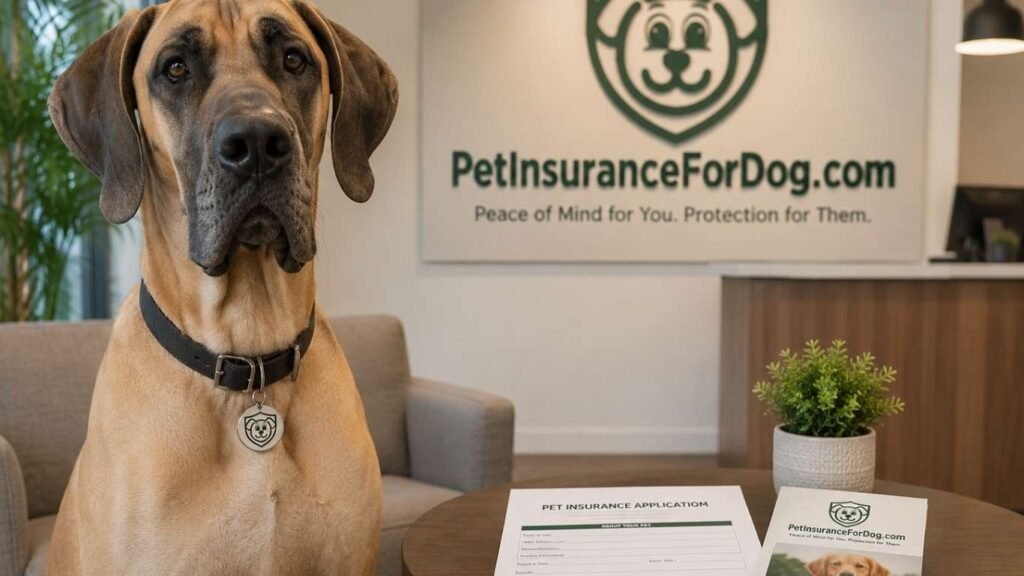
Pet Insurance for Dogs Affordable Dog Insurance
Affordable pet insurance is not about finding the cheapest policy on the screen and hoping it works when your dog gets sick. It is about choosing coverage that fits your monthly budget while still offering real protection when veterinary costs become difficult to manage. Every dog owner wants to give their pet a long, healthy, comfortable life, but even careful feeding, regular walks, vaccinations, and routine checkups cannot prevent every accident or illness. A dog can swallow a toy, tear a ligament, develop allergies, need emergency imaging, or suddenly require medication. When that happens, the difference between being prepared and being financially overwhelmed can feel enormous.
For many families, Pet Insurance for Dogs offers a practical way to manage that uncertainty. Instead of facing every eligible veterinary bill alone, owners pay a regular premium and may receive reimbursement based on the policy’s deductible, reimbursement rate, annual limit, and coverage terms. The right Dog Insurance plan can help soften the impact of unexpected expenses while giving owners more confidence when a veterinarian recommends care. It does not remove every cost, and it does not cover every condition, but it can turn a frightening bill into something more manageable.
The word affordable can be misleading if it is judged only by the monthly premium. A very low-cost policy may look attractive at first, but it may exclude illnesses, cap payouts too tightly, or require a high deductible that creates stress during a claim. A slightly higher monthly premium may deliver better long-term value if it covers more of the veterinary situations your dog is likely to face. Affordable pet insurance should protect your dog and your wallet at the same time.
What Affordable Pet Insurance Really Means
Affordable pet insurance should be measured by value, not just price. A policy is affordable when it fits your budget and still provides meaningful protection against the kinds of veterinary costs that would be hard to pay out of pocket. The cheapest option is not always affordable in the long run if it leaves you responsible for thousands of dollars during a serious illness or accident.
A useful Dog Insurance policy balances four main elements: premium, deductible, reimbursement rate, and annual limit. The premium is what you pay each month or year to keep the policy active. The deductible is the amount you pay before reimbursement begins. The reimbursement rate is the percentage of eligible expenses the insurer may pay after the deductible. The annual limit is the maximum amount the policy will reimburse in a policy year.
These parts work together. A plan with a low premium may have a higher deductible or lower reimbursement rate. A plan with generous reimbursement and a low deductible may cost more each month. Affordable Pet Insurance for Dogs means finding the combination that gives you enough support without stretching your finances month after month.
Key Traits Of A Truly Affordable Policy
- Reasonable Monthly Premiums: The cost should fit your budget comfortably enough that you can keep the policy active.
- Flexible Deductible Choices: The ability to adjust deductibles can help lower or raise premiums based on your financial comfort level.
- Accident And Illness Coverage: A strong plan should cover more than basic injuries if you want broader protection.
- Reliable Reimbursement: Reimbursement options such as 70%, 80%, or 90% can help reduce the burden of large eligible bills.
- Clear Exclusions: A good policy should explain what is not covered before you enroll.
Why Affordable Dog Insurance Matters
Veterinary care can become expensive quickly. A routine visit may be manageable, but an emergency is different. Diagnostic tests, X-rays, bloodwork, surgery, hospitalization, anesthesia, specialist care, and prescription medications can push a bill far beyond what many families planned for. Even owners with savings can feel pressure when a dog needs urgent care.
Dog Insurance matters because it helps families prepare for the unpredictable. A dog may be young and healthy today, then need emergency treatment tomorrow. An active dog may suffer an injury during play. A senior dog may develop a chronic condition that requires ongoing medication. A puppy may eat something dangerous. These situations are emotionally stressful enough without the added fear of how to pay for care.
Affordable Pet Insurance for Dogs can make treatment decisions feel less rushed and less frightening. Owners still need to understand the policy and pay their share, but coverage can help reduce the financial shock. That support can be especially valuable for families on a budget, because it allows them to plan for risk instead of reacting under pressure.
Average Cost Of Affordable Pet Insurance For Dogs
The cost of pet insurance varies by dog and by policy. Breed, age, ZIP code, coverage type, deductible, reimbursement rate, annual limit, and optional add-ons all affect the final premium. Puppies and young mixed-breed dogs often receive lower quotes, while older dogs and breeds with known health risks may cost more to insure.
Many owners shopping for affordable Dog Insurance compare accident-only plans first because these are usually the lowest-cost options. Accident-only coverage may help with injuries caused by sudden events, such as broken bones, bite wounds, cuts, poisoning, or swallowed objects. The lower price can be appealing, but the trade-off is that illnesses are usually excluded.
Accident and illness plans generally cost more, but they offer broader protection. These policies may help with eligible infections, allergies, cancer, digestive problems, urinary conditions, diabetes, arthritis, and other illnesses, depending on the policy. For many owners, this category offers a better balance of affordability and useful coverage.
How Costs May Look By Life Stage
- Young Dogs: Younger dogs often qualify for lower premiums, especially if they have no medical history that creates exclusions.
- Adult Dogs: Premiums may rise as risk increases, but accident and illness coverage can still provide strong value.
- Senior Dogs: Older dogs usually cost more to insure, but coverage may still help with eligible new illnesses or accidents.
Affordable does not have to mean minimal. A mid-range plan with a reasonable deductible, moderate reimbursement rate, and solid annual limit may offer better protection than a bargain policy with narrow benefits.
How To Find Affordable Pet Insurance Without Losing Key Coverage
The best way to save money on Pet Insurance for Dogs is to adjust the policy thoughtfully. Cutting too much coverage can leave you exposed. A smarter approach is to decide which benefits matter most, then shape the plan around your dog’s real risks and your financial limits.
Enroll Early When Possible
Early enrollment can help keep costs lower and reduce the chance of pre-existing condition exclusions. Younger dogs often have fewer medical records and fewer health concerns. If a dog develops symptoms before coverage begins, related issues may not be covered later. This is one reason many owners compare Dog Insurance while their pets are still young and healthy.
Choose A Deductible You Can Manage
A higher deductible can lower the monthly premium, but it also means you pay more before reimbursement begins. This can be a good strategy for owners who have savings available for smaller or moderate bills. If a high deductible would c reate stress during an emergency, a lower deductible may be worth the higher premium.
Adjust The Reimbursement Rate
Reimbursement rates commonly include options such as 70%, 80%, or 90%. Choosing 70% or 80% may lower the premium while still providing help during larger claims. A 90% reimbursement rate can offer stronger protection, but it usually costs more each month. The right choice depends on whether you prefer lower monthly payments or lower out-of-pocket costs when care is needed.
Skip Add-Ons You Will Not Use
Wellness add-ons can help with routine care such as vaccines, annual exams, parasite prevention, microchipping, or dental cleanings. They can be convenient, but they are not always necessary. If you already budget well for routine care, you may choose to skip wellness benefits and focus your Dog Insurance on accidents and illnesses.
Compare Policies Each Year
Premiums and coverage options can change. Your dog’s needs may also change with age, activity level, and health history. Reviewing the policy each year helps you confirm that your coverage still makes sense. That does not mean switching plans is always wise, especially if your dog has developed conditions that might be considered pre-existing elsewhere. But reviewing your options keeps you informed.
Factors That Affect The Cost Of Dog Insurance
Understanding what drives pricing can help you find affordable coverage more easily. Insurers calculate premiums based on the likelihood and potential cost of claims. That is why two dogs in the same home may receive very different quotes.
Breed
Some breeds are more likely to develop specific conditions. Large breeds may face hip dysplasia, arthritis, or knee injuries. Flat-faced breeds may have breathing concerns. Small breeds may have dental problems. These risks can affect both pricing and coverage terms.
Age
Age is one of the most important pricing factors. Younger dogs usually cost less to insure. As dogs get older, the likelihood of illness, medication, diagnostics, and chronic care increases, which often raises premiums.
Location
Veterinary costs vary widely by region. Urban areas and high-cost communities may have higher emergency care, surgery, imaging, and specialist prices. Dog Insurance premiums often reflect those local cost differences.
Coverage Type
Accident-only plans usually cost less than accident and illness plans. Comprehensive policies with wellness benefits, higher annual limits, and stronger reimbursement usually cost more. The broader the protection, the higher the premium may be.
Deductible And Reimbursement Choices
Lower deductibles and higher reimbursement rates usually increase premiums. Higher deductibles and moderate reimbursement rates can help keep monthly costs lower. The goal is to adjust these settings without making the policy too weak to be useful.
Why Cheap Is Not Always Better
Cheap pet insurance may look attractive, especially when household costs are already high. But the lowest price can create problems if the policy excludes the care your dog is most likely to need. A low-cost plan may have strict payout caps, limited illness coverage, long waiting periods, or exclusions for hereditary conditions.
The danger of choosing only by price is that the policy may fail during the exact moment you need help. A plan that saves a few dollars each month but does not cover surgery, chronic illness, or major diagnostics may not be a good value. Affordable Pet Insurance for Dogs should help protect against meaningful financial risk.
Value is the better measure. A policy that costs slightly more but includes accident and illness coverage, prescription medication, diagnostics, surgery, emergency care, and a realistic annual limit may save more money over time than the cheapest available option.
Smart Ways To Keep Pet Insurance Affordable
Keeping Dog Insurance affordable is not only about selecting the right policy. It also involves maintaining your dog’s overall health and reviewing your coverage as needs change.
- Maintain Preventive Care: Regular checkups, vaccinations, dental attention, and parasite prevention can help detect problems earlier.
- Keep Your Dog At A Healthy Weight: Excess weight can contribute to joint problems, heart strain, diabetes risk, and reduced mobility.
- Use Safe Routines: Leashes, secure yards, safe toys, and careful food storage can reduce accident risks.
- Review Coverage Annually: Make sure your policy still fits your dog’s age, health, and lifestyle.
- Ask About Multi-Pet Discounts: If you have more than one pet, some insurers may reduce premiums for additional animals.
Prevention does not eliminate the need for Pet Insurance for Dogs, but it can reduce avoidable risks. A healthy lifestyle and a good policy work best together.
When Affordable Pet Insurance Is Most Beneficial
Affordable Dog Insurance can be valuable at every life stage, but some situations make coverage especially useful. Puppies often benefit from early enrollment because they may qualify for lower premiums and have fewer pre-existing condition concerns. They are also curious, energetic, and prone to accidents.
Active dogs can also benefit from coverage. Dogs that run, hike, swim, travel, or play rough may face a higher risk of injuries. Accident and illness coverage can provide support if something happens during ordinary activity.
Families on a budget may find insurance especially helpful because it turns some unpredictable costs into a planned monthly expense. A policy does not remove all financial responsibility, but it can reduce the chance that one emergency drains savings or creates debt.
How Affordable Pet Insurance Supports Better Care
Affordable does not have to mean limited. A well-designed policy can help owners access diagnostics, treatment, surgery, medication, emergency care, and specialist services when they are eligible under the plan. This can make a real difference when a veterinarian needs to move quickly.
When owners feel financially supported, they may be less likely to delay care. Waiting can sometimes make a condition worse and more expensive. Dog Insurance can help owners say yes to recommended testing or treatment sooner, when it may matter most.
There is also emotional value. A sick dog creates worry, and a large estimate can make that worry heavier. Insurance can help owners focus on recovery instead of spending the entire visit calculating what must be sacrificed to pay the bill.
Common Myths About Affordable Pet Insurance
“Low-Cost Plans Do Not Cover Anything”
Some low-cost plans are limited, but not all affordable policies are weak. Many provide solid accident and illness coverage if the deductible, reimbursement rate, and annual limit are chosen carefully. The key is reading the details before enrolling.
“Only Expensive Plans Are Worth It”
A costly plan is not automatically the best plan. Some expensive policies include add-ons or features that a particular owner may not need. A mid-range policy may offer better value if it covers the most important risks while keeping the premium manageable.
“I Can Wait Until My Dog Gets Older”
Waiting can lead to higher premiums and more exclusions. If your dog develops symptoms before coverage starts, related conditions may be excluded later. Early enrollment often gives owners more options and fewer complications.
How To Compare Plans For The Best Value
When comparing Pet Insurance for Dogs, use the same coverage settings whenever possible. Compare deductible to deductible, reimbursement rate to reimbursement rate, and annual limit to annual limit. If one quote uses a $250 deductible and another uses $1,000, the monthly premium alone does not tell the full story.
Look at exclusions carefully. Check pre-existing condition rules, hereditary condition coverage, dental illness, orthopedic waiting periods, exam fee coverage, prescription medication, and claim deadlines. A policy with a slightly higher premium may be the better value if it covers more of the care your dog may realistically need.
Customer service and claim processing also matter. A provider with clear instructions, online claim submission, direct deposit, and responsive support can make the insurance experience smoother. Dog Insurance is most important during stressful moments, so ease of use should count in the comparison.
Building Affordable Protection Around Your Dog’s Life
The best affordable policy is the one that reflects your dog’s actual life. A puppy may need early accident and illness protection, with optional wellness support for first-year care. An adult dog may need balanced coverage for injuries, infections, allergies, and emerging health concerns. A senior dog may need stronger support for diagnostics, medication, arthritis, cancer evaluation, or chronic disease management.
Breed and lifestyle should guide decisions too. A large-breed dog may need careful orthopedic coverage. A small breed may need dental illness review. A flat-faced breed may require attention to respiratory coverage. An active dog may benefit from accident and rehabilitation benefits. Affordable Dog Insurance should not be generic; it should fit the pet in front of you.
Owners should also think honestly about their finances. If a $1,000 bill is manageable but a $5,000 surgery would be difficult, choose a plan that helps with larger emergencies. If monthly cash flow is tight, consider a higher deductible or moderate reimbursement rate instead of dropping coverage entirely.
Protecting Your Dog Without Breaking The Bank
Affordable pet insurance is possible when owners focus on value, not just the lowest premium. The right Dog Insurance policy should help with eligible accidents, illnesses, diagnostics, surgery, medication, emergency care, and other expenses that could strain a household budget. It should offer enough flexibility to adjust costs while still providing meaningful protection. It should also be clear, practical, and reliable when you need to file a claim. A good Pet Insurance for Dogs plan does not have to be the most expensive option. It simply needs to match your dog’s health risks, your local veterinary costs, and your financial comfort level.
Planning for dog care also fits into a larger picture of financial security. A sudden veterinary bill can affect emergency savings, monthly expenses, credit card balances, and even long-term goals such as retirement planning. Responsible pet ownership means protecting your dog while also protecting the household that cares for them. Take time to compare affordable Dog Insurance options before an emergency happens. Read exclusions, review waiting periods, and calculate what you would owe during a large claim. Keep savings available for routine care, deductibles, and smaller costs, then consider insurance for bigger eligible expenses that could be harder to manage alone. If you want practical guidance before choosing coverage, visit Pet Insurance for Dogs for helpful answers about Dog Insurance costs, claims, coverage options, and plan selection. A careful choice today can make a difficult veterinary moment less overwhelming tomorrow. Your dog may never understand premiums or policy details, but they will feel the care made possible by your preparation.