Pet Insurance for Dogs – Compare Dog Insurance
Compare Pet Insurance for Dogs is more than a quick search for the lowest monthly premium. It is a careful look at how each policy may respond when your dog needs care, whether that means an emergency visit, diagnostic testing, surgery, medication, or treatment for a sudden illness. Many plans sound similar when you read the short descriptions. They mention accidents, illnesses, deductibles, reimbursement, waiting periods, and wellness options. But once you look closely, the differences can be significant enough to affect both your budget and your dog’s access to care.
For many owners, Pet Insurance for Dogs becomes important after they hear a story from a friend or experience a stressful veterinary visit themselves. A dog may seem completely fine in the morning and need urgent care by evening. A playful puppy might swallow a small object. An adult dog might begin limping after a run. A senior companion may need bloodwork, imaging, or medication for a condition that appeared almost overnight. These moments can be emotional, and cost can make them even harder.
The purpose of a good Dog Insurance comparison is not to create fear. It is to bring clarity. When you understand the premium, deductible, reimbursement rate, annual limit, exclusions, waiting periods, and claim process, you can make a calmer decision. You can choose coverage based on your dog’s actual needs and your household’s financial reality, rather than relying on advertising language or a single glowing review.
What It Means To Compare Pet Insurance For Dogs
To compare Pet Insurance for Dogs means placing several policies side by side and reviewing the details that shape the real value of coverage. This includes the monthly premium, deductible structure, reimbursement percentage, annual or lifetime limits, waiting periods, covered services, exclusions, and claims process. It also means asking how each policy would work during a real veterinary situation, not just how it looks on a summary page.
A strong comparison starts with the dog, not the policy. A puppy, a senior dog, a large breed, a small breed, a rescue with medical history, and a high-energy outdoor dog may all require different considerations. The best Dog Insurance for one household may not be the best choice for another. That is why broad rankings can help with research, but they should not replace your own review.
A policy should be judged by how well it fits your dog’s age, health risks, lifestyle, and your ability to handle remaining costs. A low premium may be useful if the coverage is clear and the limits are acceptable. But a cheap policy with narrow benefits may not help much if your dog needs expensive treatment. A higher premium may offer stronger protection, but it should still make sense for your budget.
Why Comparing Policies Matters
Dog Insurance policies can look alike in marketing materials, yet function very differently when a claim is filed. One policy may cover exam fees, while another may exclude them. One may reimburse prescription medication for covered conditions, while another may restrict certain medications or therapeutic diets. One may cover hereditary conditions if they are not pre-existing, while another may apply special waiting periods or exclusions.
These details matter because veterinary care often involves more than one service. A dog with vomiting may need an exam, bloodwork, X-rays, fluids, medication, and follow-up care. A dog with a limp may need imaging, pain medication, orthopedic evaluation, or surgery. If your policy covers only part of that care, your out-of-pocket cost may be higher than expected.
Comparing policies ahead of time also helps reduce disappointment. Pet Insurance for Dogs can be useful, but it is not designed to cover every expense. Most policies exclude pre-existing conditions. Routine care often requires a wellness add-on. Waiting periods may delay coverage for certain conditions. A careful comparison helps you understand those limits before they become urgent.
Why Price Alone Can Be Misleading
The monthly premium is important because you need coverage you can afford to keep. But price alone does not tell the full story. A policy with a lower premium may have a higher deductible, a lower reimbursement rate, a smaller annual limit, or more exclusions. In a normal month, that cheaper policy may feel like a win. During a serious claim, it may feel less helpful.
A higher premium does not automatically mean better coverage either. Some policies cost more because they include add-ons or benefits you may not need. Others may offer strong coverage but still contain exclusions that matter for your dog’s breed or medical history. The smarter approach is to compare total value, not just the number on the quote.
Ask a practical question: if your dog needed a $3,000 emergency visit or a $6,000 surgery, how would each policy respond? What deductible would apply? What percentage would be reimbursed? Would the condition be eligible? Would the annual limit be enough? These questions reveal more than the monthly price ever could.
Start With Your Dog’s Needs
Before you compare Dog Insurance policies, take a close look at your dog’s real life. Age, breed, size, activity level, medical history, location, and routine care habits can all affect what kind of coverage makes sense. A thoughtful comparison becomes much easier when you know what risks you are trying to manage.
A young puppy may need protection before medical conditions appear, along with possible wellness support for vaccinations and early routine care. An adult dog may need balanced accident and illness coverage. A senior dog may need stronger support for diagnostics, medication, chronic conditions, and emergency care. A dog with prior medical records may require careful review of pre-existing condition rules.
Consider Age And Life Stage
Age affects both pricing and coverage decisions. Puppies often qualify for lower premiums and may have fewer pre-existing condition concerns. That can make early enrollment attractive for owners who want broader future options. Adult dogs may still be healthy, but risks for allergies, injuries, digestive issues, dental disease, and other conditions can increase with time.
Senior dogs may cost more to insure, and existing conditions may be excluded. Still, Dog Insurance may help with eligible new accidents or illnesses, depending on the policy. When comparing plans, check whether there are age limits, renewal rules, senior pet restrictions, or changes in coverage as the dog gets older.
Consider Breed, Size, And Lifestyle
Breed and size can influence the kinds of health concerns owners should review. Large dogs may be more prone to certain joint or ligament issues. Small dogs may need more attention to dental illness or kneecap problems. Flat-faced breeds may require careful review of respiratory condition coverage. Mixed-breed dogs can still face serious illnesses and injuries, so they should not be ignored in the comparison.
Lifestyle matters too. A dog that hikes, swims, travels, runs, or plays hard may have different accident risks from a quieter indoor companion. A dog that spends time outdoors may have more exposure to injuries, parasites, or environmental hazards. The best Pet Insurance for Dogs should reflect how your dog actually lives.
Compare Coverage Types Carefully
Coverage type is one of the first things to review. Some policies focus only on accidents. Others include both accidents and illnesses. Some offer wellness or preventive care add-ons. Each type serves a different purpose, and comparing them as if they are the same cann lead to confusion.
Accident-Only Coverage
Accident-only coverage may help with eligible costs from sudden injuries or incidents. These can include cuts, fractures, bite wounds, swallowed objects, torn nails, poisoning, or trauma from falls and other unexpected events. This type of Dog Insurance is often cheaper because it covers fewer situations.
For some owners, accident-only coverage may be a budget-friendly starting point. But it usually does not cover illnesses unless the policy clearly says otherwise. If your dog develops cancer, allergies, diabetes, arthritis, infections, or digestive disease, accident-only coverage may not help. When you compare Pet Insurance for Dogs, make sure you understand this distinction clearly.
Accident And Illness Coverage
Accident and illness coverage is broader. It may help with eligible injuries and medical conditions that develop after coverage begins and waiting periods are met. This may include infections, skin problems, urinary issues, digestive concerns, allergies, cancer, arthritis, diabetes, or heart disease, depending on the policy.
Even within this category, plans can differ widely. Some include exam fees, diagnostic testing, specialist care, imaging, prescription medications, and hospitalization. Others may limit or exclude certain items. A short summary may not show these differences, so owners should read the covered services section carefully.
Compare Deductibles, Reimbursement, And Limits
The financial structure of a Dog Insurance policy determines how much support you may receive after a covered veterinary visit. Three of the most important pieces are the deductible, reimbursement percentage, and annual limit. A fair comparison should review these together.
Deductibles
The deductible is the amount you pay before reimbursement begins. Some policies use an annual deductible, meaning you meet it once per policy year. Others may use a per-incident or per-condition deductible. The structure can affect your out-of-pocket cost, especially if your dog has more than one medical issue in a year.
A higher deductible usually lowers the monthly premium, but it increases the amount you pay during a claim. A lower deductible may make veterinary bills easier to manage when care is needed, but it usually raises the premium. Neither option is automatically better. The right choice depends on your savings, budget, and comfort with risk.
Reimbursement Percentages
The reimbursement percentage is the share of eligible costs the policy may pay after the deductible is met. Common options may include 70%, 80%, or 90%. Higher reimbursement can reduce your share during a claim, but it usually costs more each month.
For example, if your dog has a covered $2,000 bill after the deductible has been met, a 70% reimbursement rate may pay $1,400, while a 90% rate may pay $1,800. That difference can matter during a large claim. Compare the monthly cost of each reimbursement option against what you could comfortably pay during an emergency.
Annual Limits
The annual limit is the maximum amount the policy may reimburse in a policy year. Some plans offer lower limits to keep premiums down, while others provide higher or unlimited annual coverage. A lower annual limit may be enough for moderate expenses but may fall short during major surgery, cancer treatment, or hospitalization.
When you compare Pet Insurance for Dogs, imagine larger scenarios. If your dog needed specialist care and surgery in the same year, would the annual limit hold up? A plan with a high reimbursement rate but a low annual limit may not provide the protection you expect.
Compare Waiting Periods And Start Dates
Waiting periods are easy to miss, but they can affect real coverage. A waiting period is the time between enrollment and when certain benefits become active. Accident coverage, illness coverage, orthopedic conditions, dental illness, and other categories may each have different waiting periods.
Owners should not assume that coverage begins immediately for every condition. A policy may be active, yet a claim may not qualify if the symptoms appeared before the waiting period ended. This is why timing matters when shopping for Dog Insurance.
Why Waiting Periods Affect Real Coverage
If a dog develops symptoms during a waiting period, the related condition may be excluded or treated as pre-existing, depending on the policy. That can surprise owners who thought enrollment alone meant full protection had already begun.
When comparing plans, write down waiting periods for accidents, illnesses, orthopedic issues, and any special categories. A shorter waiting period may be appealing, but it should be weighed alongside coverage quality, exclusions, reimbursement, and annual limits.
Do Not Wait Until Symptoms Appear
Many owners begin researching Pet Insurance for Dogs after noticing a limp, cough, skin irritation, vomiting, appetite change, or other concern. At that point, coverage for that specific issue may already be limited. Insurance usually protects against eligible future events, not problems that already exist.
Comparing coverage while your dog is healthy may provide more options. It does not guarantee every future claim will be approved, but it can reduce the chance that early symptoms create exclusions.
Compare Exclusions And Pre -Existing Condition Rules
Exclusions define what a policy will not cover. They are one of the most important parts of any Dog Insurance comparison. A policy may sound broad in general language, but exclusions can significantly narrow how useful it is for your dog.
Read The Exclusions Section Slowly
Exclusions may include pre-existing conditions, elective procedures, cosmetic surgery, breeding-related costs, pregnancy, routine care without wellness coverage, grooming, boarding, experimental treatments, and certain dental services. Some policies may also include breed-specific restrictions or limits on certain conditions.
Do not assume that words like “complete” or “comprehensive” mean everything is covered. A careful Dog Insurance review should always include the exclusions section. This is where many important differences appear.
Understand How Pre-Existing Conditions Are Defined
A pre-existing condition may include an illness, injury, symptom, or medical concern that existed before enrollment or before the waiting period ended. It may not require a formal diagnosis. Symptoms noted in medical records, such as limping, itching, vomiting, coughing, or recurring ear issues, may matter.
Some policies discuss curable conditions, chronic conditions, bilateral conditions, or recurring symptoms. These definitions can affect future claims. If your dog has any medical history, this section deserves close attention.
Compare Wellness And Preventive Care Options
Wellness coverage is different from accident and illness coverage. It usually applies to predictable routine care, such as annual exams, vaccinations, flea and tick prevention, heartworm testing, dental cleaning, microchipping, or screening tests. Depending on the provider, wellness may be optional, included in a package, or unavailable.
When Wellness Coverage May Help
Wellness coverage may help owners organize routine care costs throughout the year. It can be useful for puppies that need several early visits, vaccines, parasite prevention, and microchipping. It may also help owners who prefer predictable monthly planning.
The best Pet Insurance for Dogs with wellness is not necessarily the plan with the longest benefit list. It is the plan where the benefit limits match the care your dog will actually receive. Review per-service limits, annual allowances, and exclusions before adding wellness coverage.
When Paying Routine Care Directly May Be Better
Some owners prefer to pay routine care directly and use Dog Insurance mainly for larger unexpected expenses. This can work well if routine care is predictable and manageable within the household budget.
Before adding wellness benefits, estimate your dog’s annual routine care costs. Then compare that amount with the added premium and available benefits. If the numbers do not work, a wellness add-on may not provide enough value.
Use Reviews As Research, Not The Final Decision
A dog insurance review or pet insurance review can be helpful during research. Reviews may reveal customer experiences with claim handling, communication, reimbursement timing, document requests, or confusion about exclusions. But reviews should not replace policy reading.
One review usually reflects one dog, one claim, one location, one policy version, and one owner’s expectations. A glowing review may involve a simple claim. A frustrated review may involve a condition that was clearly excluded. Both can offer useful context, but neither should decide for you.
Look For Specific Details In Reviews
The most useful reviews explain what happened. They may describe the type of claim, the documents submitted, the reimbursement timeline, and whether the result matched the policy. Specific details are more useful than broad praise or anger.
Look for repeated patterns. If many owners mention clear communication, fast reimbursement, or easy claim submission, that may be helpful. If many mention delays, confusion, or unexpected denials, review the policy even more carefully.
Be Careful With Rankings And Best Claims
Searches for best dog insurance, best pet insurance for dogs, or top dog insurance can introduce providers and features, but rankings are not personal. They cannot fully account for your dog’s age, breed, medical history, location, or budget.
Use rankings as a starting point, not a decision-maker. The best Dog Insurance for your household is the policy that fits your dog’s needs and your financial comfort level after you understand the full terms.
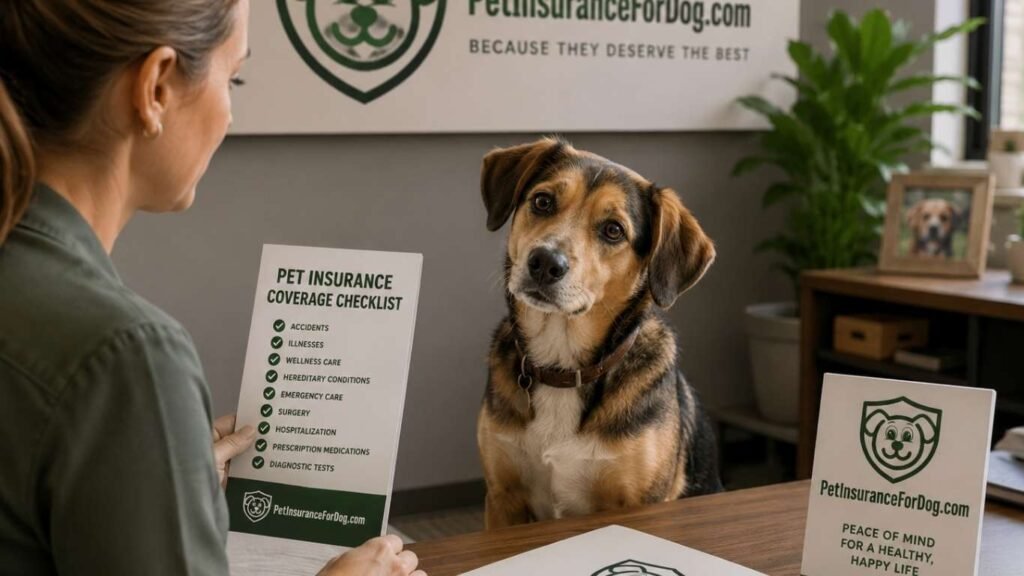
Create A Simple Comparison Checklist
A checklist can make it easier to Compare Pet Insurance for Dogs without getting overwhelmed. By writing down the same details for each policy, you can see differences clearly and avoid relying only on advertising language.
- Monthly premium for your dog
- Deductible amount and deductible type
- Reimbursement percentage
- Annual or per-condition limits
- Accident coverage details
- Illness coverage details
- Wellness or preventive care options
- Waiting periods for each coverage type
- Pre-existing condition rules
- Coverage for exam fees, diagnostics, prescriptions, and specialist care
- Claim submission process
- Major exclusions and limitations
Compare Policies Side By Side
Side-by-side comparison prevents confusion. If you read one policy today and another tomorrow, the details can blur together. Writing them down helps you see whether one policy is genuinely stronger or simply structured differently.
Try to compare similar deductibles, reimbursement rates, annual limits, and coverage types. This gives you a clearer picture of value. When one policy is cheaper, you can then see whether it is cheaper because it is more efficient or because it offers less protection.
Include Your Own Budget Reality
A policy may look strong on paper but still be a poor fit if the premium is difficult to maintain. Dog Insurance only helps if it remains active when eligible care is needed. That makes affordability part of responsible planning.
Consider how much you can pay each month, how much you could pay upfront during care, and whether you have savings for deductibles or non-covered costs. A realistic policy is better than an ideal one that becomes too expensive to keep.
Common Mistakes When Comparing Dog Insurance
One common mistake is comparing too quickly. Owners may scan the premium, glance at the reimbursement rate, and assume they understand the plan. Important details are often found in exclusions, definitions, waiting periods, and claim rules.
Another mistake is assuming generous wording means broad coverage. A policy may say it covers illness, but certain illnesses, treatments, or fees may still be excluded. The sample policy is more important than the sales summary.
Ignoring Exclusions
Exclusions are not minor details. They determine what the insurer will not reimburse. Ignoring them can lead to frustration during claims, especially when the owner expected broader coverage.
Read exclusions slowly and ask questions if a term is unclear. Strong insurance decisions come from understanding both the benefits and the limits.
Assuming All Claims Work The Same Way
Claim rules can vary by provider. Some insurers require itemized invoices, medical records, claim forms, proof of payment, or veterinary notes. Reimbursement timelines and calculation methods may also differ.
Before choosing Pet Insurance for Dogs, understand how claims are submitted and what documents are needed. A policy that looks strong should also be practical to use when your dog is recovering and you are waiting for reimbursement.
Making A Careful Choice For Your Dog
Compare Pet Insurance for Dogs with patience, because the decision affects both your pet’s care and your household budget. Dog Insurance can help with eligible accidents, illnesses, diagnostics, medications, surgery, hospitalization, and emergency treatment, but only when the coverage terms match your expectations. The right Pet Insurance for Dogs policy should fit your dog’s age, breed, lifestyle, medical history, and risk profile. It should also fit your finances, including what you can pay monthly and what you can handle during a claim. A careful comparison gives you more than a quote; it gives you a clearer plan for difficult moments.
Planning for veterinary care also connects directly to long-term financial security. A sudden veterinary bill can affect emergency savings, monthly expenses, credit card balances, and even retirement planning if the cost is large enough. Responsible dog ownership means preparing for both routine care and unexpected medical events before they become urgent. Compare more than one Dog Insurance policy, and do not rely only on rankings, reviews, or the lowest premium. Review deductibles, reimbursement rates, annual limits, waiting periods, exclusions, wellness benefits, claim rules, and customer support. Keep savings available for routine care, deductibles, and uncovered expenses, then consider insurance for larger eligible costs that could strain your household. If you want practical guidance before choosing coverage, visit Pet Insurance for Dogs for helpful answers about Dog Insurance costs, claims, coverage options, and plan selection. A thoughtful comparison today can make a stressful veterinary moment less overwhelming tomorrow. Your dog may never understand policy wording or reimbursement percentages, but they will feel the care made possible by your preparation. The best policy is not always the one with the biggest promise; it is the one that fits your dog’s real life and the financial future you are trying to protect.