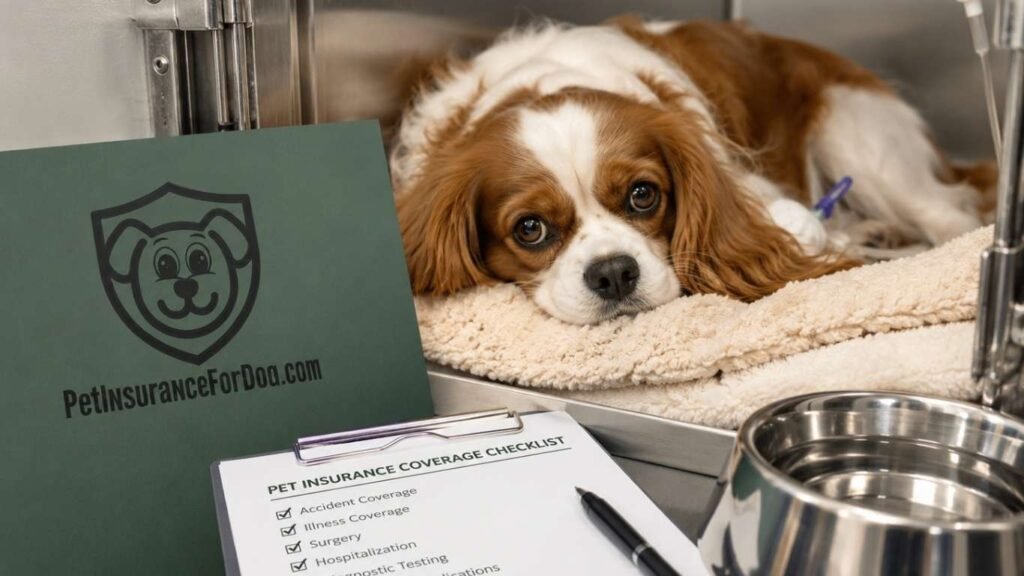
Pet Insurance for Dogs – Dog Pet Insurance
Dog Pet Insurance is often something owners begin researching after a frightening vet visit, a late-night emergency, or a conversation with another pet parent who received a bill much larger than expected. One week, a dog may be eating normally, chasing a ball, and sleeping peacefully at th e foot of the bed. The next week, the same dog may need bloodwork, X-rays, medication, surgery, or treatment for a sudden illness. Those moments are emotional enough on their own. When cost becomes part of the decision, the pressure can feel even heavier.
That is why Pet Insurance for Dogs deserves careful attention before a medical problem becomes urgent. It is not a magic card that pays every veterinary bill, and it is not a promise that every treatment will qualify for reimbursement. Still, a well-chosen Dog Insurance policy can help owners prepare for eligible veterinary expenses, depending on the plan’s deductible, reimbursement rate, annual limit, waiting periods, and exclusions. For many families, that preparation creates a little more breathing room when their dog needs care.
Dogs are woven into daily life in ways that can be hard to explain to anyone who has never loved one. They shape morning routines, weekend plans, family photos, travel decisions, and quiet evenings at home. Because of that, choosing Dog Pet Insurance is not simply about comparing premiums. It is about understanding how coverage works, what it may protect against, and whether it fits the real life you share with your dog.
What Is Dog Pet Insurance?
Dog Pet Insurance is a type of policy designed to help reimburse owners for certain veterinary expenses when a dog becomes sick or injured. Depending on the coverage selected, it may help with accidents, illnesses, diagnostic tests, prescription medications, hospitalization, surgery, emergency care, and specialist treatment. Some policies also offer optional wellness benefits for routine care, although those usually come at an added cost.
Most Pet Insurance for Dogs works through reimbursement. The owner pays the veterinary clinic first, submits a claim to the insurer, and then receives payment for eligible expenses according to the policy terms. This process can vary by provider. Some insurers may offer direct vet payment in limited situations, but many policies still require the owner to pay upfront and wait for reimbursement.
The important point is that Dog Insurance should be read as a financial planning tool, not as a guarantee that every pet-related cost will disappear. A policy can be very helpful when it is chosen carefully, but it needs to be understood before it is needed. The best time to read the fine print is not while sitting in an emergency clinic, worried and exhausted.
How Dog Insurance Usually Works
Most Dog Pet Insurance policies are built around several core parts. These include the premium, deductible, reimbursement rate, annual limit, waiting period, and exclusions. Each part affects how much you pay and how much help the policy may provide during a claim.
The premium is the amount you pay monthly or annually to keep the coverage active. The deductible is the amount you must pay before rreimbursement begins. The reimbursement rate is the percentage of eligible expenses the insurer may pay after the deductible. The annual limit is the maximum amount the policy may reimburse during one policy year. Waiting periods define when coverage begins, while exclusions define what is not covered.
For example, a low-premium plan may look attractive at first, but it may come with a higher deductible, lower reimbursement rate, or narrower benefits. A more expensive plan may offer broader accident and illness coverage, stronger reimbursement, or a higher annual limit. This is why a fair pet insurance comparison should look beyond the monthly price.
What Dog Pet Insurance Is Not
Dog Pet Insurance is not a savings account, a medical guarantee, or a substitute for routine veterinary care. It does not usually cover every service, and it may not reimburse conditions that existed before enrollment. It also does not remove the owner’s responsibility for premiums, deductibles, copays, non-covered items, or routine expenses.
Responsible dog care still includes regular checkups, vaccinations, parasite prevention, dental attention, safe exercise, good nutrition, training, and early attention to symptoms. Insurance works best when it supports those habits rather than replacing them. A strong Dog Insurance policy can help with eligible unexpected costs, while everyday care helps reduce avoidable risks.
Why Dog Owners Consider Pet Insurance For Dogs
Veterinary care can be unpredictable. A puppy may swallow a sock. An adult dog may develop allergies or a digestive issue. A senior dog may need repeated bloodwork, medication, or imaging. A large breed may face joint problems, while a smaller breed may need dental care or treatment for a luxating kneecap. No owner can predict every medical event.
Pet Insurance for Dogs gives owners a way to plan for some of that uncertainty. Instead of relying only on savings or credit cards, a policy may help reduce the financial impact of eligible veterinary bills. This can be especially valuable when treatment involves emergency care, surgery, advanced diagnostics, hospitalization, or long-term medication.
There is also an emotional reason many owners consider Dog Insurance. When a veterinarian explains treatment options, families want to make decisions based on what gives their dog the best chance at comfort and recovery. Cost will always matter, but insurance can keep it from dominating the conversation.
Unexpected Veterinary Costs Can Rise Quickly
A single veterinary visit can involve more than an exam. A dog with vomiting may need bloodwork, X-rays, fluids, anti-nausea medication, and follow-up care. A dog that is limping may need orthopedic evaluation, imaging, pain medication, or surgery. A dog with a suspicious lump may need testing, biopsy, removal, and monitoring.
These costs can add up quickly, even when the condition is common. That is why many owners search for the best pet insurance for dogs before anything goes wrong. Policies often include waiting periods and pre-existing condition rules, so timing matters. Enrolling earlier may create broader options, although every owner should still review the policy carefully.
What Dog Pet Insurance May Cover
Coverage depends on the policy, but most Dog Pet Insurance plans focus on accidents and illnesses. Accident-only policies may provide narrower protection for injuries. Accident and illness plans usually cover a wider range of eligible medical concerns. Wellness coverage, when available, is often added separately for routine care.
Common coverage categories may include:
- Accidents: Cuts, fractures, bite wounds, swallowed objects, poisoning, and injuries from sudden events.
- Illnesses: Infections, allergies, digestive problems, urinary issues, diabetes, heart disease, cancer, and other eligible conditions.
- Diagnostics: Bloodwork, X-rays, ultrasound, MRI, CT scans, and other tests when covered.
- Surgery And Hospitalization: Eligible procedures, anesthesia, overnight monitoring, and recovery-related care.
- Prescription Medication: Drugs prescribed for covered conditions, depending on the plan.
- Specialist Care: Treatment by emergency clinics, surgeons, dermatologists, oncologists, or other specialists if included.
- Wellness Benefits: Routine care such as vaccines, exams, dental cleaning, or parasite prevention when added as an optional benefit.
A summary page may make a policy look simple, but the real details are found in the sample policy. Owners should review what is covered, what is excluded, whether exam fees are included, and whether certain conditions have special limits.
Accident And Illness Coverage
Accident and illness coverage is often the foundation of Pet Insurance for Dogs. Accident coverage may help when a dog is injured unexpectedly. Illness coverage may help when a dog develops an eligible condition after coverage begins and waiting periods are met.
This type of Dog Insurance can be useful for owners who want broader protection. It may help with both sudden events and developing medical concerns. Still, it is important to understand exclusions. Some policies may limit dental illness, orthopedic conditions, hereditary issues, behavioral care, prescription diets, or alternative therapy. Others may include broader benefits, often at a higher premium.
The best choice depends on the dog. An active dog that hikes and runs may need strong accident and orthopedic coverage. A breed prone to allergies may need good illness and medication benefits. A senior dog may need support for diagnostics, chronic conditions, and ongoing treatment.
Wellness And Preventive Care Options
Wellness coverage is different from standard accident and illness insurance. It usually helps with predictable routine care rather than unexpected medical events. Depending on the plan, wellness benefits may include vaccinations, annual exams, flea and tick prevention, heartworm testing, microchipping, routine dental cleaning, or screening tests.
These add-ons can be helpful for owners who like predictable budgeting. They may be especially useful during puppyhood, when first-year care often includes several vet visits and vaccines. However, wellness coverage should be evaluated carefully. If the added premium costs more than the services you expect to use, it may not provide much value.
Some owners prefer to pay routine care directly and use Dog Pet Insurance mainly for larger eligible expenses. Others like having both medical and wellness coverage under one plan. Neither approach is automatically right or wrong. The better choice depends on your dog’s needs and your household budget.
Understanding The cost Of Dog Insurance
The cost of Dog Pet Insurance varies widely. Premiums may depend on age, breed, ZIP code, health history, coverage type, deductible, reimbursement rate, annual limit, and add-ons. A young mixed-breed dog may cost less to insure than an older purebred dog with known medical risks. Dogs in high-cost veterinary markets may also receive higher quotes.
Owners should avoid judging affordability by premium alone. A low monthly cost may come with a high deductible, low annual limit, or restricted coverage. A higher monthly premium may provide stronger reimbursement and better protection for large bills. The real question is not simply “How much is the premium?” It is “What happens if my dog needs care?”
Premiums, Deductibles, And Reimbursement
The premium keeps the policy active. The deductible affects how much you pay before reimbursement begins. The reimbursement rate affects how much of an eligible bill may be paid back. These three details work together.
For example, a policy with a $500 deductible and 80% reimbursement will feel different from a policy with a $100 deductible and 90% reimbursement. The first may cost less each month but require more out-of-pocket spending during a claim. The second may cost more monthly but provide greater support when eligible care is needed.
When comparing top dog insurance options, owners should run sample scenarios. If your dog needed a $3,000 emergency visit, how much would the plan reimburse? If surgery cost $6,000, what would you still owe? These examples make the policy easier to understand than marketing language alone.
How To Think About Affordability
Affordable Dog Insurance is not always the plan with the lowest premium. A policy should be affordable when you pay for it and when you use it. That means the deductible, reimbursement rate, annual limit, and exclusions must make sense together.
Some families prefer a lower premium and are comfortable paying more upfront during a claim. Others would rather pay more each month to reduce the financial shock of a major veterinary bill. Both strategies can be reasonable. The important thing is to choose intentionally.
A useful question is this: what size vet bill would seriously disrupt your finances? If a $1,000 bill is manageable but a $5,000 bill would create debt, you may want coverage designed for larger emergencies. If routine care is easy to budget but surgery is not, accident and illness coverage may matter more than a wellness add-on.
How To Compare Dog Pet Insurance Carefully
A thoughtful pet insurance comparison should look at structure, coverage, and real-world usability. Price matters, but it should not be the only factor. Dog owners should compare policies using similar settings whenever possible. A quote with a $250 deductible cannot be fairly compared to one with a $1,000 deductible unless you account for the difference.
Important comparison points include:
- Waiting periods for accidents, illnesses, orthopedic issues, and other specific conditions.
- Exclusions for pre-existing conditions, breed-related problems, dental illness, or elective procedures.
- Annual limits and any category-specific caps.
- Coverage for exam fees, diagnostics, prescription medication, hospitalization, and specialist care.
- Claim submission methods, reimbursement timelines, and customer service access.
- Sample policy wording, not just a sales summary.
A policy that looks attractive in a quick comparison may look different once exclusions and limits are reviewed. Taking time at this stage can prevent frustration later.
Reading A Dog Insurance Review The Right Way
A dog insurance review can be helpful, but it should be treated as one piece of research, not the whole decision. Reviews often reflect one owner’s dog, claim, location, expectations, and policy version. A five-star review may not tell you whether the policy fits your breed. A negative review may involve a claim that was excluded under clear policy language.
Look for patterns instead of isolated opinions. Do many owners mention slow reimbursement? Are there repeated complaints about unclear claim denials? Do customers praise helpful support or easy digital claim submission? These patterns may reveal more than a single emotional review.
A balanced pet insurance review should explain both strengths and limitations. No policy is perfect. The goal is not to find flawless Dog Insurance, but to find a policy whose benefits, limits, and process you understand before you enroll.
Best Dog Insurance And Top Dog Insurance: What Those Labels Really Mean
Searches for best dog insurance, best pet insurance for dogs, or top dog insurance can be useful starting points. They may introduce major providers, Common features, and typical plan structures. But no ranking can know your exact dog, budget, medical history, location, or risk tolerance.
The better question is not “Which policy is best for everyone?” The better question is “Which policy fits my dog’s life and my financial reality?” A senior dog with arthritis concerns may need different coverage from a young active puppy. A large breed may require careful orthopedic coverage review. A dog with a history of allergies may need a policy that still offers value for future unrelated conditions.
In practical terms, the best Dog Pet Insurance is the one that provides clear, useful coverage for the risks you care about most, at a price you can maintain over time.
Common Exclusions And Limitations To Understand
Every Pet Insurance for Dogs policy has exclusions. This does not make the policy useless. It simply defines where coverage stops. Owners who understand exclusions before buying are less likely to feel surprised during claims.
Common exclusions may include pre-existing conditions, cosmetic procedures, breeding-related costs, pregnancy, grooming, boarding, routine care without wellness coverage, experimental treatments, and certain administrative fees. Some policies may also limit dental illness, orthopedic issues, alternative therapies, or behavioral treatment.
Pre-Existing Conditions
A pre-existing condition generally means an illness, injury, symptom, or medical concern that appeared before coverage began or during a waiting period. This may apply even if the condition was not formally diagnosed. Veterinary records matter because insurers may review them during a claim.
This is why many owners consider Dog Insurance while their dogs are still young and healthy. Enrolling after symptoms appear can limit future coverage. However, dogs with medical histories may still receive value from coverage for new, unrelated conditions, depending on the policy.
Waiting Periods And Timing
A waiting period is the time between enrollment and when coverage begins for certain conditions. Accident coverage may begin sooner than illness coverage. Orthopedic conditions, dental illness, or other specific categories may have separate waiting periods.
Waiting periods are easy to overlook, but they matter. If a condition appears before the waiting period ends, related claims may not be covered. Owners should confirm the timeline before relying on a new policy.
Is Dog Pet Insurance Right For Every Dog?
Dog Pet Insurance is not automatically the right choice for every household. Some owners prefer to build a dedicated emergency fund. Others use insurance because they want help with larger eligible expenses. Many families use both: savings for routine care and deductibles, insurance for bigger medical events.
The right choice depends on your dog’s health risks and your ability to handle sudden costs. If a major veterinary bill would create serious strain, Dog Insurance may be worth considering. If you have substantial savings and prefer self-funding, you may choose a different approach. What matters is making the decision before an emergency forces your hand.
Questions To Ask Before Choosing Coverage
- How much could I comfortably pay out of pocket for emergency veterinary care?
- Does my dog have any existing medical history that may affect coverage?
- Am I most concerned about accidents, illnesses, chronic conditions, or routine care?
- Do I understand the deductible, reimbursement rate, annual limit, and waiting periods?
- Have I read the exclusions and sample policy wording?
- Would I rather pay a higher premium for lower claim-time costs, or a lower premium with more out-of-pocket responsibility?
These questions help turn an emotional decision into a practical one. They also make it easier to compare Dog Insurance options with a clear sense of what your household actually needs.
Mistakes To Avoid When Choosing Dog Pet Insurance
One common mistake is choosing based only on the monthly premium. A low premium can be appealing, but it may come with high deductibles, low reimbursement, narrow coverage, or strict exclusions. The cheapest policy may become expensive if it does not help when your dog needs care.
Another mistake is assuming all policies work the same way. Pet Insurance for Dogs can vary significantly from one provider to another. Two plans may both advertise accident and illness coverage, yet differ on exam fees, medication, hereditary conditions, dental illness, waiting periods, and annual limits.
Owners should also avoid assuming wellness care is included automatically. Routine care is often separate. If vaccines, annual exams, dental cleaning, and parasite prevention matter to you, check whether wellness benefits are available and whether the cost makes sense.
Do Not Rush The Policy Review
It can be tempting to enroll quickly after hearing a frightening story from another dog owner. But Dog Pet Insurance is a financial product with rules. Slow down, read the sample policy, compare similar coverage levels, and write down questions before buying.
If the policy language is unclear, ask for clarification from the insurer. If you are unsure what your dog may need medically, speak with your veterinarian. A careful review now can make the policy easier to use later.
Do Not Assume Comprehensive Means Everything
The word comprehensive sounds reassuring, but it does not mean every cost is covered. Even broad Dog Insurance policies may exclude pre-existing conditions, routine care, elective procedures, breeding-related expenses, or experimental treatments. Some may also have limits on specific categories of care.
Instead of relying on labels, read the covered benefits and exclusions. Strong insurance decisions are built on details, not general descriptions.
How Dog Pet Insurance Supports Responsible Ownership
Responsible dog ownership includes affection, patience, training, nutrition, exercise, safety, and medical care. Dog Pet Insurance can support that responsibility by helping owners prepare for eligible veterinary costs. It is not about expecting something bad to happen. It is about recognizing that dogs, like people, can face unexpected health problems.
Insurance can also encourage better planning. Owners who research Pet Insurance for Dogs often become more aware of common breed risks, routine care needs, emergency costs, and policy language. That knowledge can lead to better questions at the vet and more realistic financial preparation.
For first-time dog owners, this can be especially helpful. A puppy may look like pure joy, but the first year can include vaccines, stomach issues, chewing accidents, training mishaps, and sudden vet visits. For owners of senior dogs, planning may involve medication, mobility support, diagnostics, and comfort care. Dog Insurance can fit into both stages when chosen thoughtfully.
A Practical Way To Think About Dog Pet Insurance
Dog Pet Insurance is not a one-size-fits-all answer. It is a planning tool that may help owners manage eligible veterinary expenses, depending on the policy. The strongest decision comes from understanding coverage details, comparing options carefully, and choosing based on your dog’s actual needs. Look beyond phrases like best dog insurance or top dog insurance, and focus instead on coverage, exclusions, reimbursement, waiting periods, claim rules, and affordability. A good Pet Insurance for Dogs policy should be clear enough to understand before enrollment and practical enough to support you during a real claim.
Dog care also belongs inside a larger financial plan. A sudden veterinary bill can affect emergency savings, monthly expenses, credit card balances, and even long-term goals such as retirement planning. Responsible ownership means preparing for the joyful parts of life with your dog and the difficult medical surprises that may come later. Compare more than one Dog Insurance policy before making a decision. Read the sample policy, review exclusions, check waiting periods, and calculate what you would owe during a serious claim. Keep savings available for routine care, deductibles, and uncovered costs, then consider insurance for larger eligible expenses that could strain your household. If you want clear guidance before choosing coverage, visit Pet Insurance for Dogs for helpful answers about Dog Insurance costs, claims, coverage options, and practical planning. A thoughtful decision today can make a stressful veterinary moment less overwhelming tomorrow. Your dog may never understand deductibles or reimbursement rates, but they will feel the care made possible by your preparation. The best plan is not always the loudest advertised plan; it is the one that fits your dog, your budget, and the life you are building together.